 03/11/2025
Site Reliability Engineering (SRE): Building Reliable Systems in a Digital-First World
Modern businesses rely heavily on digital systems-websites, mobile applications, cloud platforms, and online services must operate smoothly 24/7. Even a few minutes of downtime can lead to lost customers, revenue, and long-term damage to brand trust.
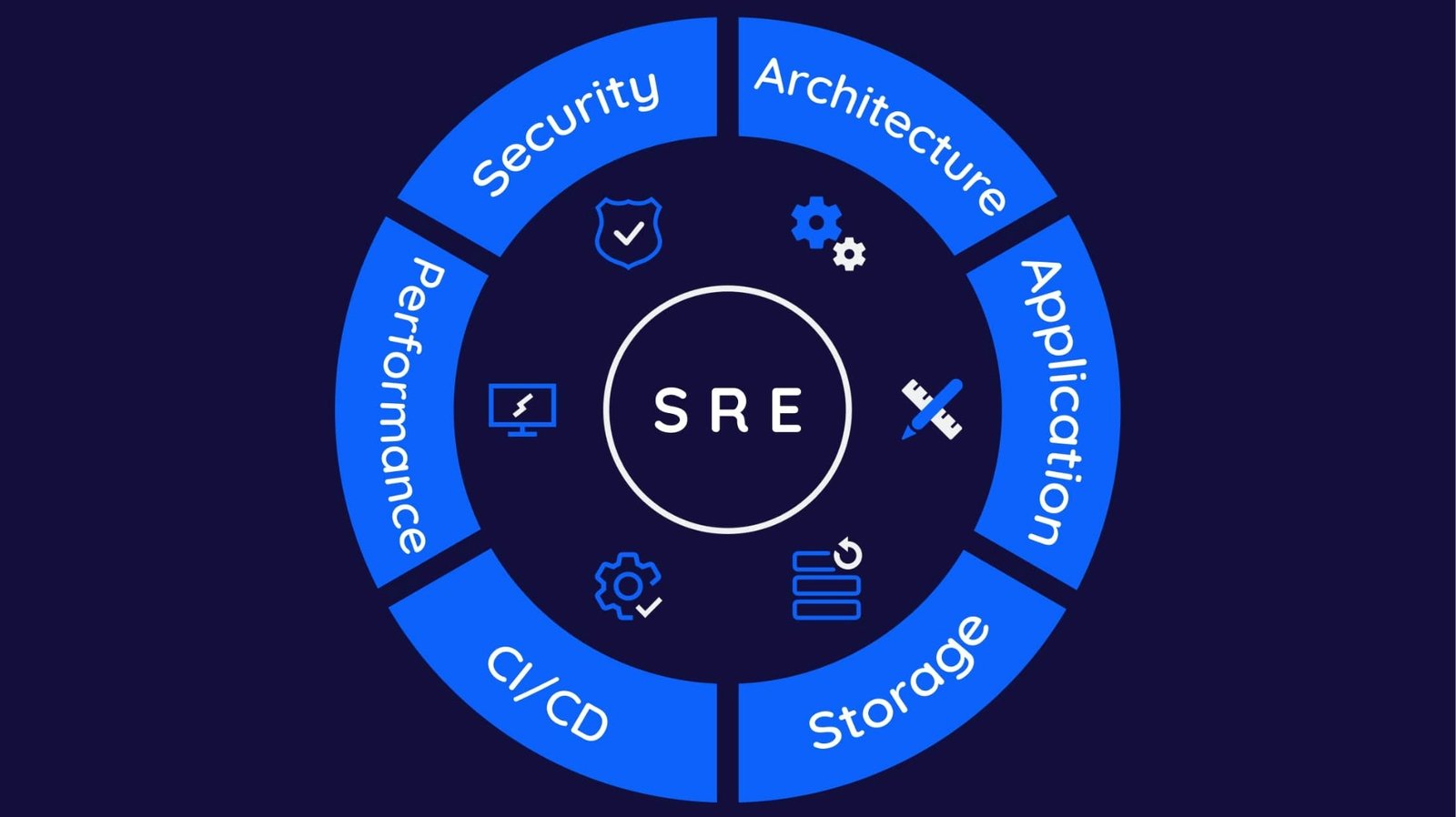
Site Reliability Engineering (SRE) is a modern engineering discipline that was originally introduced at Google by Ben Treynor Sloss, who founded the first SRE team in 2003. It was designed to manage large-scale, highly complex production systems. SRE focuses on keeping systems reliable, fast, and consistently available. It combines software engineering practices with IT operations to prevent failures, respond to incidents efficiently, and continuously improve overall system performance.
 by Skylink Infosolutions™
Why We Need to Use Site Reliability Engineering (SRE)
As digital systems become more complex and users expect services to be available all the time, Site Reliability Engineering (SRE) helps keep systems reliable, stable, and ready to scale.
- ⏱️ High Availability – Keeps websites and applications running 24/7 with minimal downtime.
- 🛡️ Reduced Failures – Prevents issues before they impact users.
- 🚑 Faster Recovery – Detects and fixes problems quickly when something goes wrong.
- 😊 Better User Experience – Ensures fast, stable, and smooth performance.
- 📈 Safe Scaling – Handles growing user traffic without crashes.
- 🤖 Automation – Reduces manual work and human errors.

Difference Between Site Reliability Engineering (SRE) and DevOps
Site Reliability Engineering (SRE) and DevOps are both modern IT practices, but they focus on different goals. The table below explains the difference.
| Aspect | SRE (Site Reliability Engineering) | DevOps |
|---|---|---|
| Main Focus | Keeping systems stable and reliable | Building and deploying software faster |
| Primary Goal | High availability, performance, and uptime | Speed, automation, and collaboration |
| Work Area | Production systems running for users | Development and deployment process |
| Problem Handling | Prevent problems before they happen | Fix problems after they appear |
| Tools Used | Monitoring, alerts, and auto-recovery tools | CI/CD, build, test, and deployment tools |
| In Simple Words | “Keep the system safe and stable” | “Make the system fast to deliver” |
Site Reliability Engineering Tools
Site Reliability Engineering (SRE) relies on a structured set of tools and practices rather than a single solution. These tools work together to monitor system health, automate operations, respond to incidents, and ensure applications remain reliable, scalable, and available in production environments.
Monitoring & Observability
Enables real-time visibility into system performance, resource utilization, and service availability across production environments.
Tools used: Prometheus, GrafanaAlerting & Incident Management
Provides proactive alerting and structured incident response to minimize downtime and ensure service reliability.
Tools used: PagerDuty, AlertmanagerCI / CD Automation
Automates build, test, and deployment workflows to reduce human error and accelerate software delivery.
Tools used: Jenkins, GitLab CIContainers & Orchestration
Ensures scalable, resilient, and self-healing application deployments using containerization and orchestration platforms.
Tools used: Docker, KubernetesInfrastructure as Code
Manages cloud infrastructure programmatically to maintain consistency, scalability, and repeatability across environments.
Tools used: TerraformFinal Thoughts
Site Reliability Engineering (SRE) is not just about fixing problems,
but about building systems that are reliable, scalable, and always available.
By focusing on uptime, automation, and fast recovery,
SRE helps businesses deliver a smooth and trusted experience to users.
In today’s digital-first world, where downtime directly impacts revenue and reputation,
SRE plays a critical role in ensuring long-term system stability, operational efficiency,
and customer confidence. It bridges the gap between development and operations,
enabling organizations to scale technology without compromising reliability.