 11/09/2025
Top 10 Open-Source DevOps Tools in 2025 for Faster CI/CD Pipelines Why?
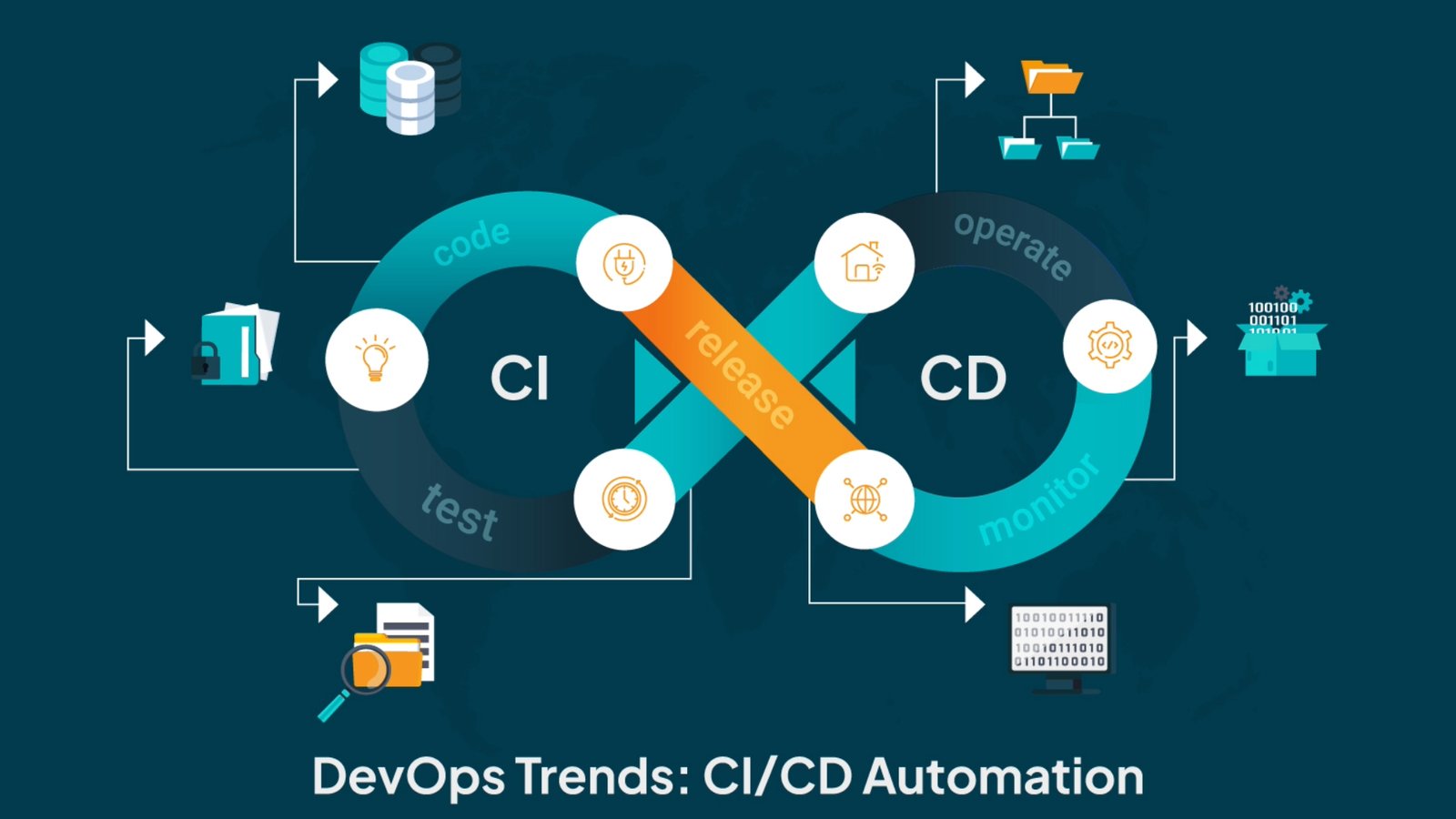
The modern software landscape is evolving at lightning speed. Companies now deploy code multiple times per day, handle complex microservices architectures, and serve millions of users across the globe. DevOps is no longer optional—it's a necessity. Open-source DevOps tools help teams automate workflows, enhance CI/CD pipelines, and ensure reliable deployments, making the difference between success and downtime.
 by Skylink Infosolutions™
Top 10 Open-Source DevOps Tools
Here’s a curated list of the most impactful DevOps tools, including key features and benefits:
- 🔧 Jenkins – Industry-standard automation server for building, testing, and deploying software with a vast plugin ecosystem.
- 💻 GitLab CI/CD – Complete DevOps lifecycle tool with integrated pipelines, monitoring, and source code management.
- ⚡ ArgoCD – GitOps-based continuous deployment for Kubernetes, ensuring declarative and version-controlled app delivery.
- 🗂 Terraform – Infrastructure as Code tool enabling safe and repeatable provisioning of cloud resources.
- ☸️ Kubernetes – Powerful container orchestration platform automating deployment, scaling, and management of containerized apps.
- 🐳 Docker – Standard platform for containerizing applications to maintain consistent environments across development and production.
- 🛠 Ansible – Simple and agentless automation engine for configuration management, application deployment, and orchestration.
- 📦 Prometheus – Time-series database and monitoring system that provides alerting and metrics for cloud-native apps.
- 🔗 Grafana – Dashboard and visualization tool that integrates metrics from Prometheus and other sources for actionable insights.
- 🔍 SonarQube – Continuous code quality and security inspection tool integrated into CI/CD pipelines to maintain high standards.
Quick Comparison Table
| Tool | Primary Use | Key Features | Ideal For | Open-Source License |
|---|---|---|---|---|
| Jenkins | Automation Server | Extensible, Large Plugin Ecosystem, CI/CD Pipelines | All teams needing robust automation | MIT License |
| GitLab CI/CD | Integrated DevOps Platform | Full lifecycle, Built-in Monitoring, Auto DevOps | Teams preferring an all-in-one solution | MIT License |
| ArgoCD | GitOps CD for Kubernetes | Declarative, Secure, Kubernetes-Native | Kubernetes-centric deployments | Apache 2.0 |
| Terraform | Infrastructure as Code | Cloud-Agnostic, Repeatable, Version-Controlled | Infrastructure provisioning | Mozilla Public License |
| Kubernetes | Container Orchestration | Scalable, High Availability, Automated Rollouts | Containerized applications at scale | Apache 2.0 |
| Docker | Containerization | Portable, Lightweight, Consistent Environments | Packaging & deploying apps | Apache 2.0 |
| Ansible | Configuration Management | Agentless, YAML Scripts, Idempotent | Server & app automation | GPLv3 |
| Prometheus | Monitoring & Alerting | Time-Series DB, Alerts, Cloud-Native Metrics | Monitoring microservices | Apache 2.0 |
| Grafana | Visualization & Dashboards | Beautiful Dashboards, Multi-Source Metrics | Data visualization & analytics | Apache 2.0 |
| SonarQube | Code Quality & Security | Static Analysis, Quality Gates, Security Checks | CI/CD code validation | LGPLv3 |
Real-World Applications
Many industry leaders use these tools to streamline their software delivery pipelines:
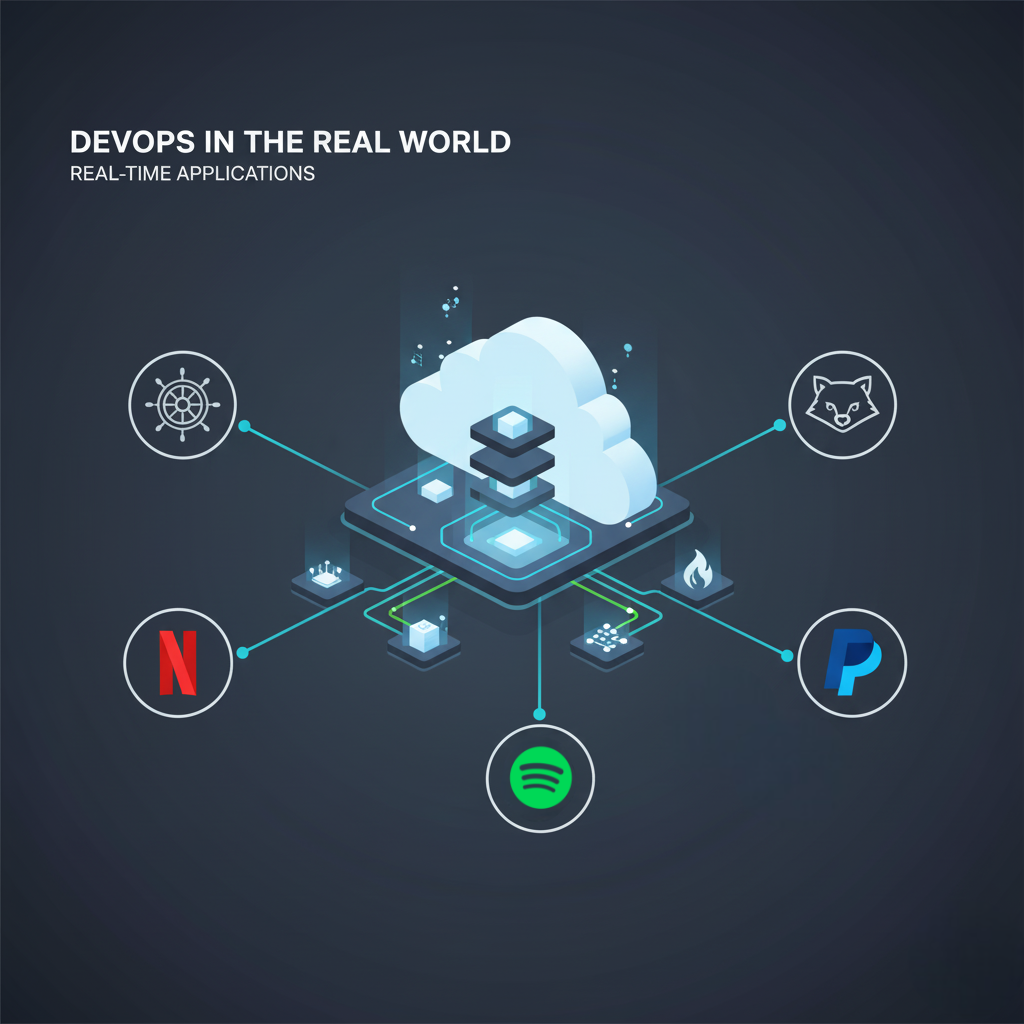
- Netflix – Implements Kubernetes, Docker, and Jenkins for scalable and highly available streaming services.
- Spotify – Uses GitLab CI/CD and ArgoCD to automate pipelines, enabling rapid feature releases.
- Shopify – Leverages Terraform and Ansible to manage infrastructure across multiple cloud environments efficiently.
- PayPal – Uses Prometheus and Grafana for real-time monitoring, ensuring high reliability and uptime.
- GitHub – Employs CircleCI, Docker, and Kubernetes for continuous integration and delivery across its platform.
Best Practices for Using DevOps Tools
To get the most out of your DevOps stack, consider these actionable tips:
- Start Small: Begin by implementing one or two tools that solve the most pressing problems, and expand gradually.
- Automate Repetitive Tasks: Use pipelines and scripts to automate testing, deployment, and monitoring.
- Standardize Configurations: Use Infrastructure as Code (Terraform, Ansible) to maintain consistent environments.
- Monitor Continuously: Integrate Prometheus, Grafana, and alerting systems to catch issues early.
- Encourage Collaboration: DevOps is not just tools—ensure teams communicate effectively across development and operations.
- Review and Improve: Continuously analyze pipeline performance and optimize for speed, reliability, and security.
Conclusion
Open-source DevOps tools in 2025 are more powerful than ever, helping teams deliver software faster, safer, and with higher quality. By combining automation, monitoring, and collaboration, these tools reduce manual effort and accelerate CI/CD pipelines. Whether you are using Jenkins, GitLab CI/CD, Terraform, or Kubernetes, success depends on thoughtful integration and continuous improvement.
Remember, DevOps is a journey, not a one-time setup. Start small, iterate frequently, and adopt a culture of learning. With the right combination of tools, best practices, and team collaboration, your software delivery process will become faster, more reliable, and ready to meet the challenges of 2025 and beyond.