
 29/09/2025
React Server Components: How They’re Revolutionizing Frontend Development why?
React has always been at the center of modern frontend development, but in 2025, a new chapter is unfolding: React Server Components (RSC). This technology is more than just an update; it represents a paradigm shift in how developers think about rendering, performance, and the user experience. If you have ever struggled with heavy JavaScript bundles, slow page loads, or SEO limitations, RSC is the breakthrough you have been waiting for.
 by Skylink Infosolutions™
A Story Developers Can Relate To
Imagine you’re building an e-commerce site with React. Traditionally, your entire app runs on the client. The browser downloads a massive JavaScript bundle, parses it, and then finally displays your product listings. For users on fast Wi-Fi and high-end devices, this might seem acceptable. But for someone on a slow 3G connection or an older phone, this experience can be frustrating: long loading times, blank screens, and delayed interactions.
Now, picture a different scenario with React Server Components. Instead of sending raw ingredients to the browser (like a chef delivering uncooked vegetables to your table), the server cooks the meal in advance. It prepares the HTML and streams it directly to the client. The browser receives content that is ready to eat, and the user sees meaningful information instantly. Only the interactivity that truly requires JavaScript is shipped to the client. The result? Faster apps, smoother experiences, and happier users.
Key Benefits of React Server Components
- ⚡ No Client-Side JS Overhead – Server renders components, sending only minimal code to the browser.
- 🔍 SEO Boost – Content is instantly visible to crawlers, improving search rankings dramatically.
- 💾 Smaller Bundles – By offloading work to the server, client bundles shrink, leading to faster downloads.
- 🛠 Developer Experience – Integrates seamlessly with Next.js App Router, making adoption easier.
- 🌍 Accessibility – Users on slower networks or older devices benefit from quicker access to content.
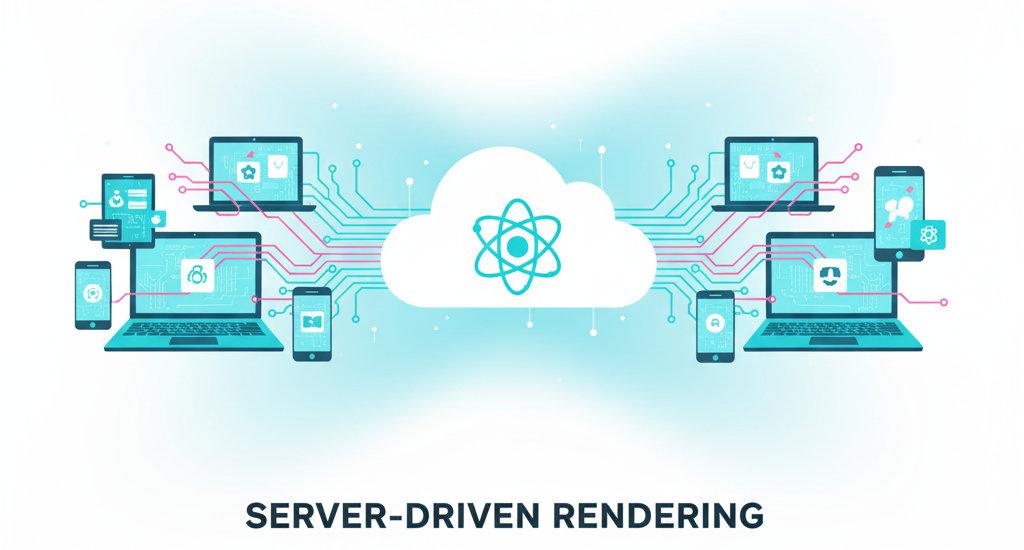
React Server Components vs Traditional React
To really understand why RSC is revolutionary, let’s look at a side-by-side comparison:
| Aspect | React Server Components (RSC) | Traditional React |
|---|---|---|
| Rendering | Some components render directly on the server and send ready HTML. | Happens fully on the client-side after JavaScript is loaded. |
| Bundle Size | Smaller bundles because server components don’t ship to the client. | Large JavaScript bundles increase load times. |
| Performance | Much faster initial load, optimized for all devices. | Slower on low-end devices or weak networks. |
| SEO | Great for SEO since HTML is already rendered on the server. | Limited, as crawlers may not always parse client-side rendered content. |
| Use Cases | Perfect for e-commerce, blogs, dashboards, and high-traffic apps. | Good for SPAs but heavy for content-rich sites. |
Real-World Use Cases
RSC is not a futuristic concept. It is already being used in production by companies that care deeply about performance and user experience:
| Company | How They Use RSC |
|---|---|
| Vercel | Powers the Next.js App Router with streaming server rendering, delivering interactive pages faster. |
| Shopify Hydrogen | Uses RSC to deliver lightning-fast storefronts where products appear instantly without client-side delays. |
How Does RSC Actually Work?
At its core, React Server Components extend the traditional rendering pipeline. Some components are rendered entirely on the server and their output (HTML and lightweight instructions) is streamed to the client. The client can then hydrate only the parts of the page that require interactivity. This creates a hybrid model:
- Pure Server Components – Rendered only on the server, no JavaScript sent to the client.
- Client Components – Used where interactivity (e.g., buttons, forms) is required.
- Shared Components – Flexible components that can live in either environment as needed.
This architecture allows developers to design applications with performance in mind. For example, a product grid can be rendered server-side, while the “Add to Cart” button remains a client component. The user immediately sees products without waiting for JavaScript, but still enjoys dynamic interactivity where needed.
Challenges and Limitations
As exciting as RSC is, it comes with its share of challenges:
- 🔄 Learning Curve – Developers must rethink component design with server vs. client boundaries.
- 🧩 Library Compatibility – Not all third-party React libraries support RSC yet.
- 🔐 Infrastructure Needs – Streaming requires robust server environments for best results.
- ⚙️ Debugging Complexity – Understanding server-client interactions can feel tricky at first.
The Future of Frontend
With React 19, React Server Components are no longer experimental—they are becoming mainstream. As frameworks like Next.js, Remix, and even emerging competitors adopt similar patterns, the industry is heading toward a new standard of hybrid rendering.
For businesses, this translates into reduced costs on client devices, faster time-to-interactive, and improved user retention. For developers, it is an opportunity to master skills that will define the future of frontend engineering. Just as React once disrupted the dominance of jQuery and vanilla JavaScript, RSC is poised to redefine the modern web.
If you are learning React today, investing time in understanding Server Components is like buying stock in the future of web development. The earlier you adapt, the more valuable you become to teams, companies, and projects that are ready to embrace the next evolution.
Final Thoughts
React Server Components are not just about performance; they are about remaining the developer and user experience. They bring us closer to a world where apps load instantly, users never stare at empty screens, and developers write cleaner, more maintainable code.
In 2025 and beyond, the web will be faster, lighter, and more engaging—and RSC will be one of the key reasons why. Whether you’re building the next startup, optimizing an enterprise app, or simply experimenting, this is the moment to dive in.